


The success of creator platforms has changed how content is produced, distributed, and monetized. Creators are no longer dependent on traditional advertising networks or third-party platforms to generate income. Instead, they are building direct relationships with their audiences through subscriptions, exclusive content, private communities, and premium experiences.
This shift has opened opportunities for startups and businesses looking to launch niche creator platforms. However, many underestimate the complexity involved in creating a product that can attract creators, retain subscribers, and scale efficiently as usage grows.
Many founders begin with the assumption that replicating the features of an existing platform is enough. In reality, features are rarely the reason platforms succeed.
The real challenge is creating an ecosystem where creators can consistently earn revenue while subscribers continue finding value in the content they pay for.
Without that balance, even a technically perfect platform can struggle to gain traction.
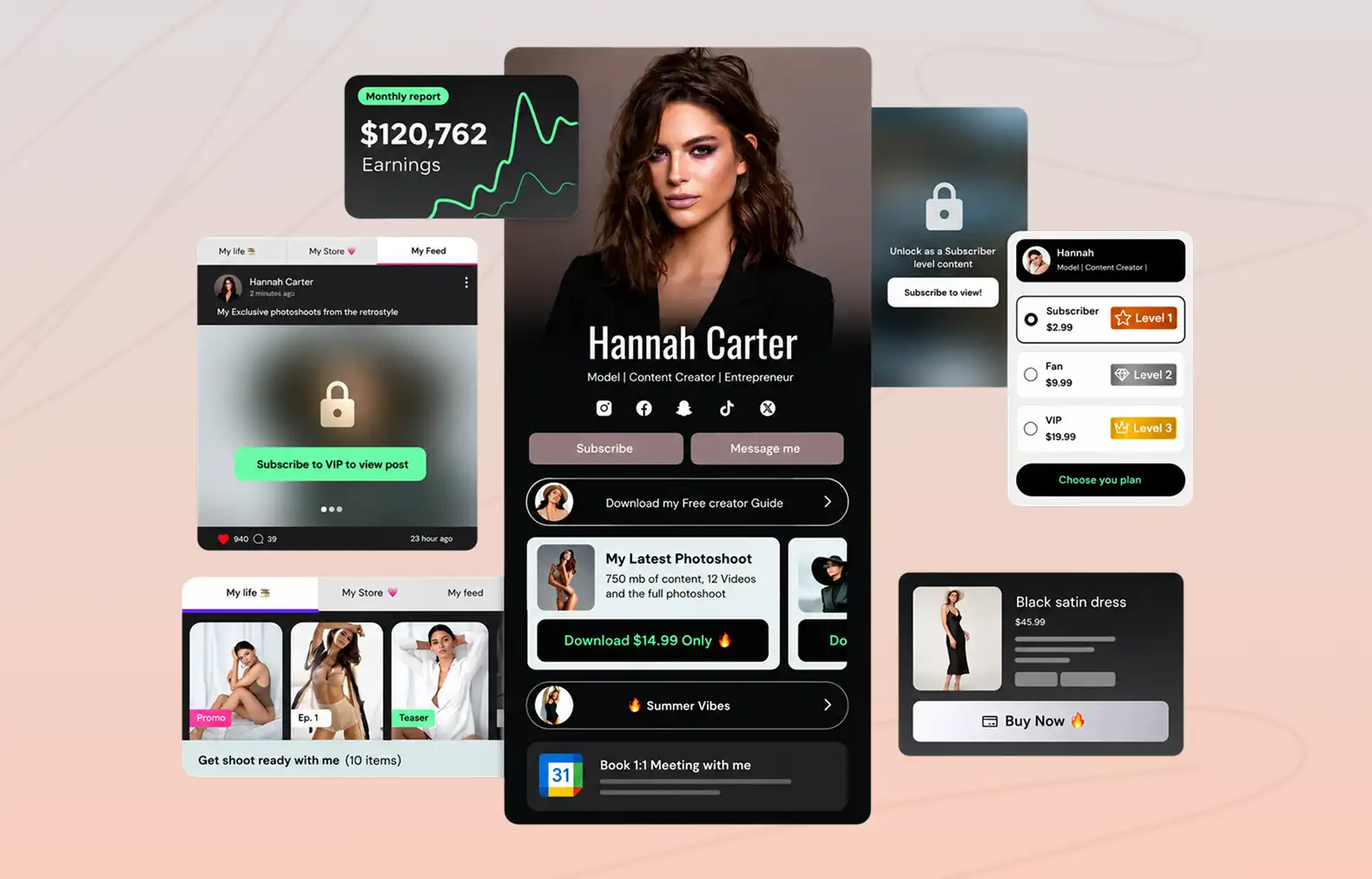
Creators are not looking for another place to upload content. They need tools that help them build an audience, increase engagement, and generate predictable income. This often includes:
The easier these tools are to use, the more likely creators are to remain active on the platform.
Many platforms focus heavily on creator functionality while overlooking the subscriber journey. Subscribers expect:
When these experiences feel effortless, retention naturally improves.
Unlike many digital products where functionality is the primary offering, creator platforms revolve around content. Every decision impacts how content is uploaded, processed, protected, and delivered.
Questions businesses should ask early include:
The answers to these questions often influence architectural decisions more than any feature list.
The future of digital content belongs to platforms that enable direct connections between creators and their audiences. As the creator economy expands, businesses have an opportunity to build specialized communities, unlock new revenue models, and create engaging experiences that go beyond traditional social platforms.
Success in this space requires a careful balance of product strategy, user experience, technology, and scalability. Rather than focusing solely on launching quickly, businesses should focus on building a platform that can adapt to changing creator needs and support long-term growth.
A well-planned creator platform is more than a marketplace for content. It becomes an ecosystem where creators can build sustainable businesses, subscribers can access meaningful experiences, and brands can establish lasting value within a rapidly growing digital economy.