Your best sales rep just lost a deal, not on price or fit, but because the quote took three days. Pricing lived in a spreadsheet, customer history sat in the CRM and approvals ran through email. Meanwhile, the buyer signed with a competitor who answered in an hour.
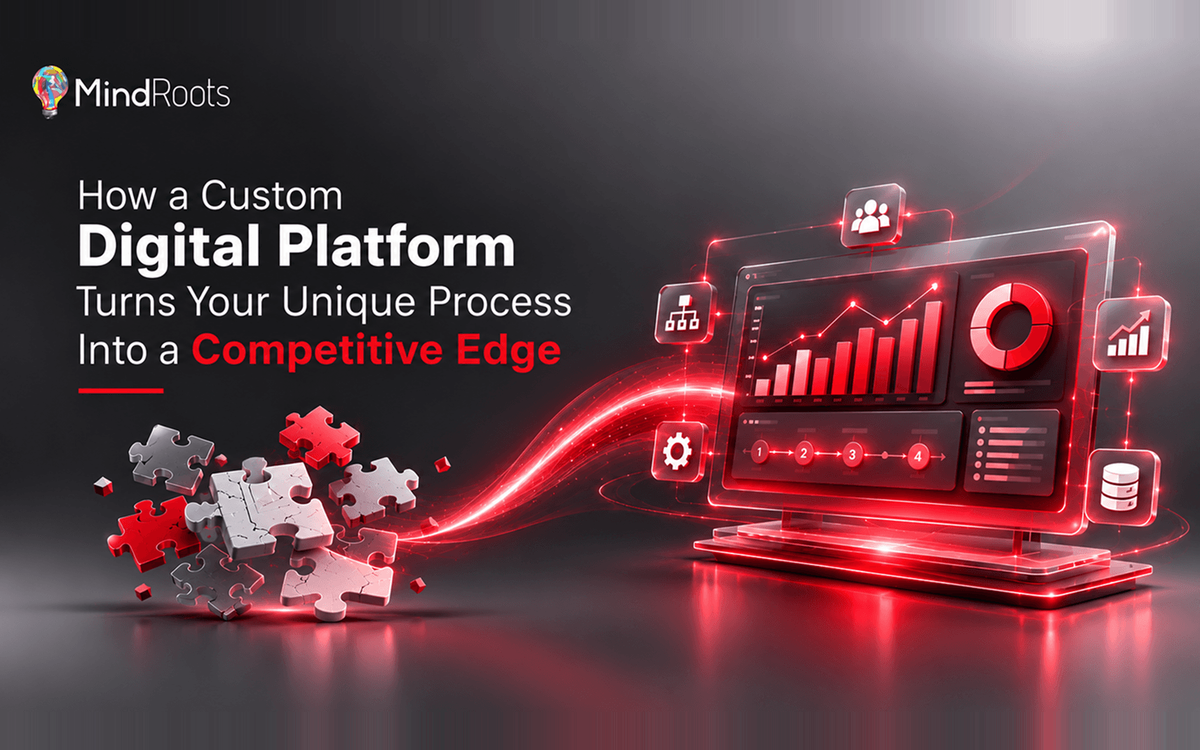
That is the quiet tax of generic software. Custom digital platform development removes it by building your system around how your business actually sells, instead of forcing your team to bend around someone else’s template.
In this guide, you will learn where off the shelf tools leak revenue, what makes a custom platform sell harder, how to make the build vs buy software decision with confidence, and what a proven development process looks like.
The Hidden Cost of One Size Fits All Software
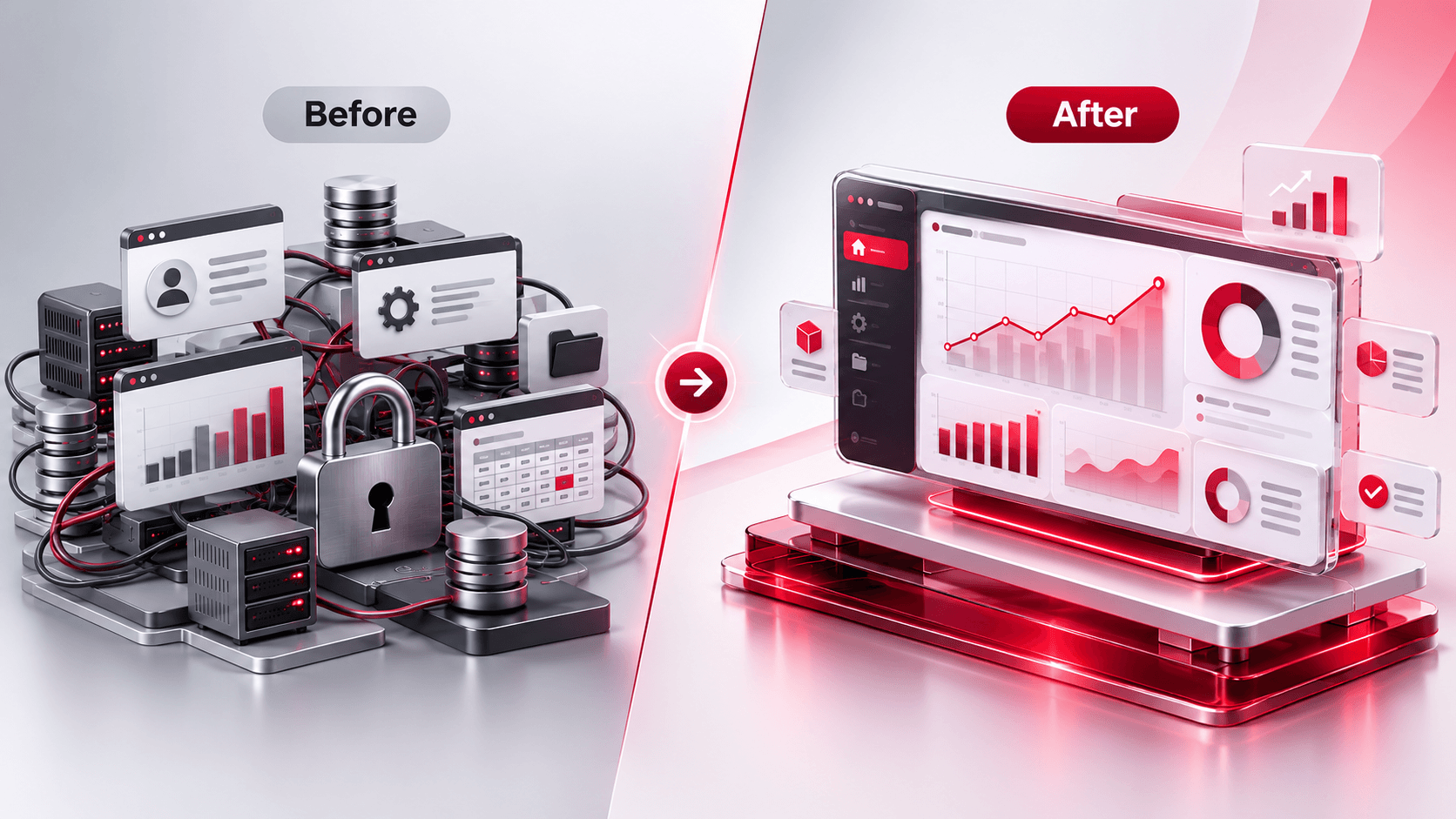
SaaS tools are built for the average customer. That is their strength on day one and their weakness by year three. The costs rarely appear on one invoice; they spread across your team’s time, your data and your customer experience.
Subscription Creep
It starts with one CRM. Then a quoting add on, a scheduling app, a reporting tool and an automation connector. Most are priced per seat, so every new hire raises the bill across the entire stack. According to Gartner’s IT Key Metrics Data 2024, organisations spend an estimated average of $1,370 per employee annually on SaaS applications, highlighting how software subscriptions can become a significant recurring business expense.
Workarounds That Eat Selling Time
When software does not match your process, people invent their own. Reps export data to spreadsheets, copy figures between screens and keep private notes because the official system has no field for what matters. Every workaround is time not spent with a buyer.
Data Silos and Integration Gaps
Data silos form when information is trapped inside separate tools that cannot share it. Sales cannot see open support tickets. Finance cannot see the pipeline. Leadership gets three versions of the same number. Native integrations help, but they sync only the fields the vendor chose.
Vendor Lock In
Vendor lock in means leaving a platform is so painful that you stay even when it no longer serves you. Your data sits in their format and your price climbs at renewal because switching is hard.
A Customer Experience That Looks Like Everyone Else’s
If you and three competitors run the same portal software, your buyers see the same screens, the same checkout and the same emails. In crowded markets, that sameness quietly pushes every decision back to price.
What Makes a Custom Digital Platform Unique and High Selling
The custom software vs SaaS debate usually starts with features, but it should start with customers. A custom web platform for business asks a different question. Instead of asking “what does this tool allow?”, it asks “how do our best customers buy, and what slows them down?” The answer becomes the blueprint.
Built Around Your Customer’s Buying Journey
Strong UI/UX design, meaning how a product looks combined with how easy it is to use, maps every screen to a real step in the buyer’s decision. A distributor might need bulk reordering in two clicks. When the interface mirrors how customers think, friction drops and conversion rises. A Forrester Total Economic Impact study commissioned by UserTesting found that channel optimisation contributed to a 7.2% increase in conversion rate for its modeled organisation.
Automating Sales Bottlenecks
Workflow automation lets software handle the repetitive, rule based steps your people currently do by hand. Think instant quotes from approved price rules, automatic approval routing when a discount crosses a threshold, or follow up reminders triggered by buyer behavior. Business process automation of this kind turns days of back and forth into minutes, so your team spends its energy on conversations that close.
Owning Your Data for Personalization and Upselling
When your platform holds one connected record of every customer, you can act on it. Order history can drive reorder prompts. Usage patterns can flag accounts that are ready for an upgrade. With AI and machine learning integration, where models learn from your historical data to predict what a customer is likely to need next, recommendations get sharper over time.
Scaling Without Per Seat Pricing Traps
Scalability is a system’s ability to handle more users, transactions and data without slowing down or needing a rebuild. Platforms built on cloud native infrastructure, meaning applications designed from the start to run on cloud services that expand and contract with demand, grow with your volume rather than your headcount. You pay for computing capacity, not for every new login. That is what scalable software solutions look like.
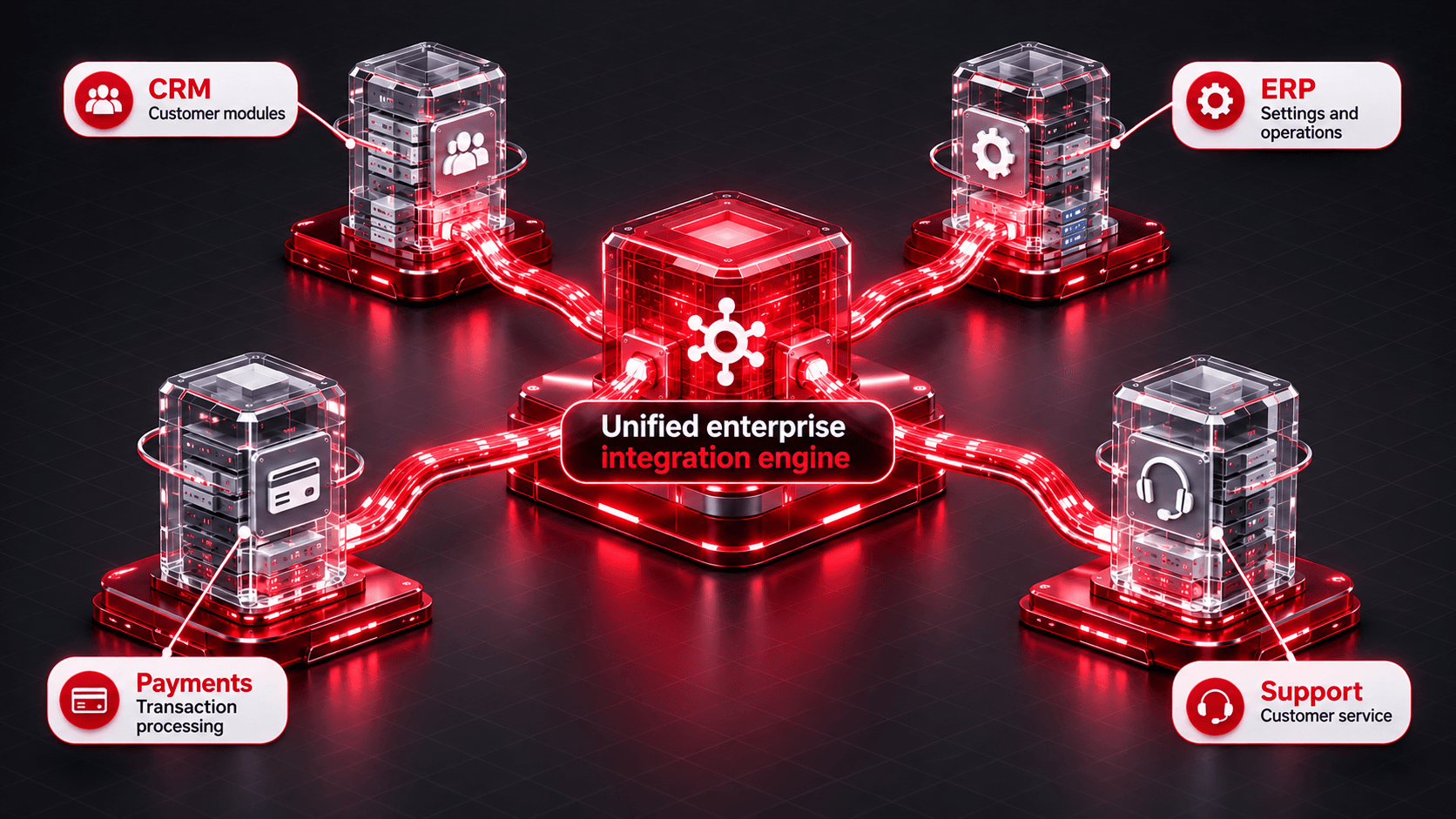
Real World Examples of Custom Platforms That Drive Revenue
Each example below encodes a specific way of selling that generic tools can only approximate.
- B2B ordering portals. Wholesale buyers log in, see their negotiated prices, check live stock and reorder from past invoices.
- Booking and marketplace platforms. Whether you match clients with service providers or let customers reserve equipment, a custom engine can follow your exact availability rules, deposits and commission structure.
- Customer self service dashboards. Clients track orders, download documents, raise requests and renew contracts on their own schedule. Renewal becomes a click instead of a chase.
- Internal operations platforms. One system for scheduling, inventory, field teams and approvals replaces a patchwork of apps. Role based access control, which shows each person only the data and actions their role requires, keeps it secure as more people use it.
- AI powered quoting and recommendation engines. For businesses with complex pricing, a quoting engine can read requirements, apply rules and margins, and produce an accurate proposal in minutes. Paired with a recommendation layer, it suggests the add ons a buyer is most likely to accept.
Build vs Buy Software: A Quick Decision Checklist
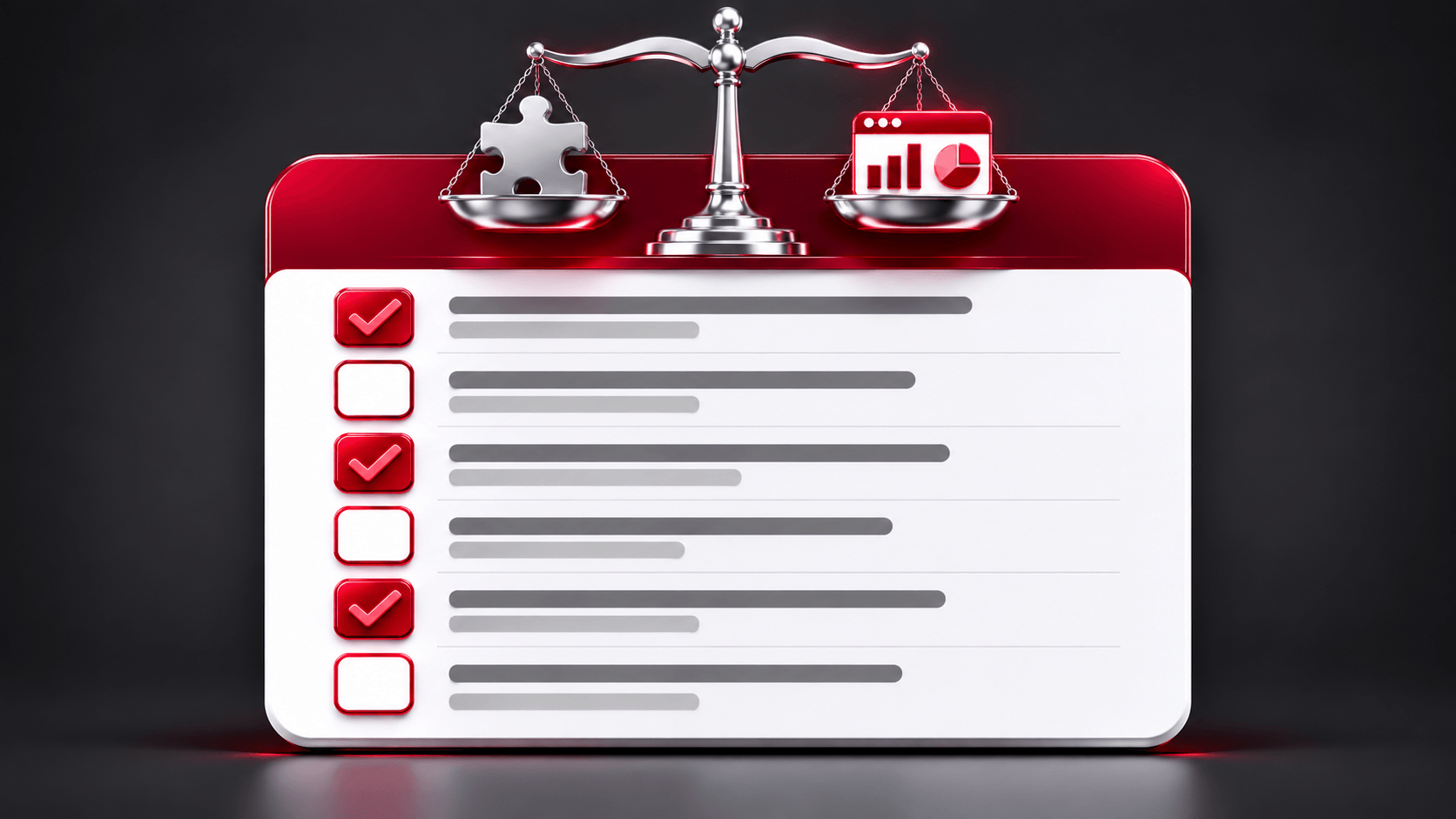
Answer these six yes or no questions to see whether you have outgrown off the shelf tools. If you answer yes to three or more, a custom platform deserves a serious look.
- Do your teams rely on spreadsheets or manual copying to move data between tools?
- Are you paying for four or more SaaS subscriptions that overlap or need connectors to talk to each other?
- Have you changed a sales or operations process to fit software limits rather than customer needs?
- Do your subscription costs rise every time you hire, even though the work stays the same?
- Would customers buy faster or more often if your ordering, booking or quoting experience matched how they actually work?
- Is your growth plan blocked by a feature your current vendor has no plans to build?
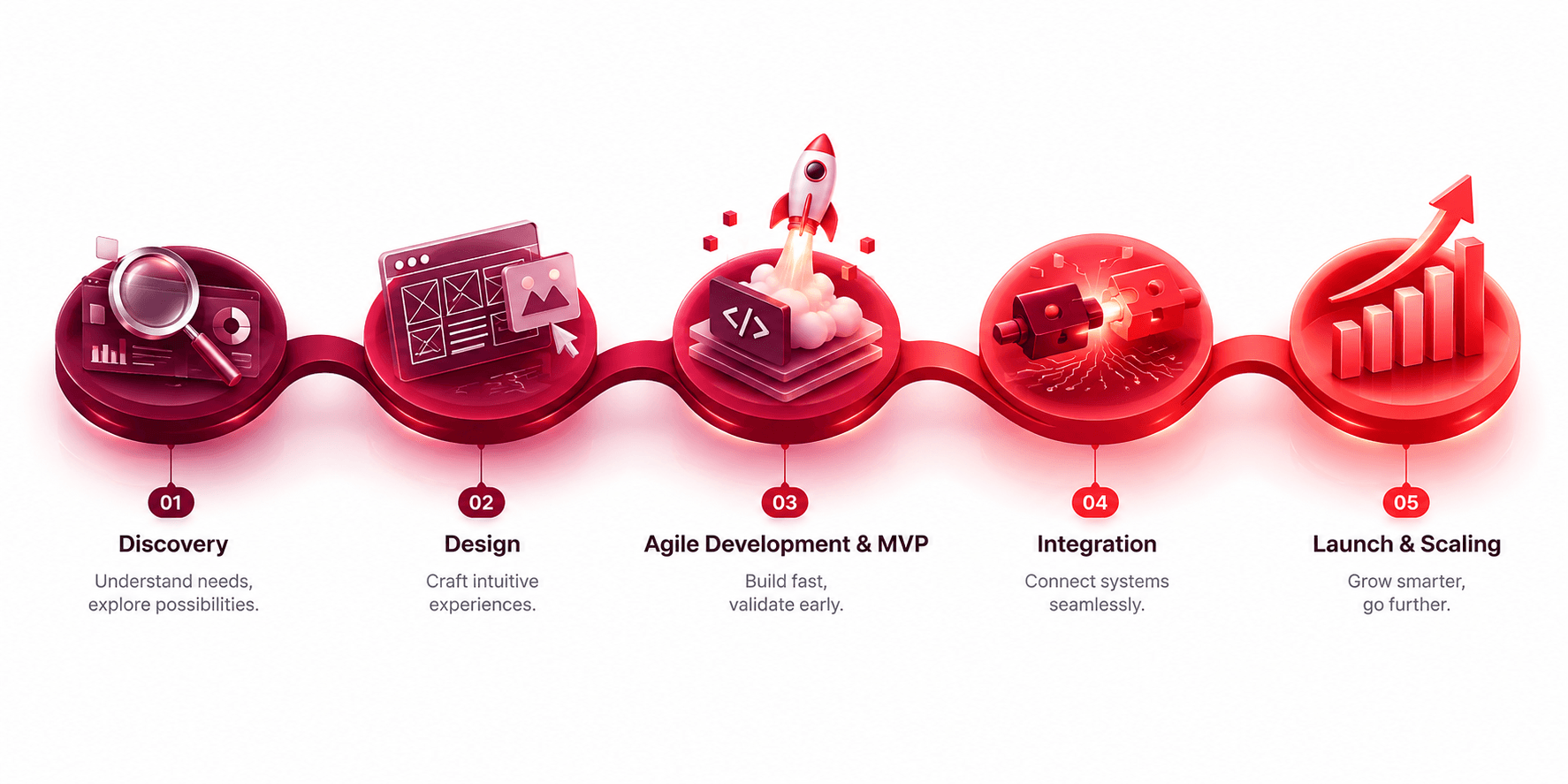
How Mind Roots Builds Custom Digital Platforms That Sell
Our approach to custom digital platform development is anchored to one measure: does the platform help you win and keep more customers? Explore our custom software development services.
Step 1: Discovery and Business Analysis
We start with your sales and operations teams, not with code. We map where deals stall and which manual steps cost the most. The output is a prioritized roadmap tied to revenue and efficiency goals, so every feature has a business reason to exist.
Step 2: UX and Product Design
Our designers turn that roadmap into clickable prototypes that your team and selected customers can test before development begins. Catching a confusing checkout flow on a prototype costs hours; catching it after launch costs deals.
Step 3: Agile Development and MVP Launch
We build in short cycles and release an MVP (minimum viable product), the smallest version of the platform that delivers real value to real users. You see returns early.
Where it fits, we use microservices architecture, which splits the platform into small independent services that can be updated or scaled one at a time. Headless architecture separates the customer facing front end from the back end, so you can launch a new app or portal without rebuilding the core. DevOps and CI/CD pipelines, automated processes that test and deploy every code change, keep releases frequent and reliable. This discipline also prevents technical debt, the hidden cost of shortcuts that make every future change slower and riskier.
Step 4: Integration with Existing Systems
Your platform should connect to the tools that still serve you well. Through API integration, where an API is a secure channel that lets two systems exchange data automatically, we link your platform to accounting, payment gateways, marketing tools and logistics providers. CRM and ERP integration keeps customer records and financial data flowing both ways, so every team works from a single source of truth.
Step 5: Launch, Support and Continuous Scaling
We monitor performance, track the business metrics agreed in discovery and keep improving the platform as your market and volume change. You own the code and the data, so growth decisions stay in your hands. See how we have helped businesses like yours through our portfolio of projects.
Make Custom Digital Platform Development Your Competitive Edge
Off the shelf software gives every business the same starting point, which is exactly why it cannot give you an edge. The way you quote, serve and retain customers is part of what makes you different, and your software should amplify that rather than flatten it. Custom digital platform development lets you own your process, connect your data and scale without paying more for every new seat.
Ready to see what your platform could look like? Book a Free Platform Discovery Call with the Mind Roots team. In one focused conversation, we will map your biggest sales bottleneck and show you where a custom platform would pay back first, with no obligation to proceed.
Frequently Asked Questions
Most projects deliver a working MVP within a few months, depending on scope, the number of integrations and how quickly decisions are made. A typical MVP development timeline is around 8–16 weeks for a moderately scoped platform. Starting with an MVP means your team and customers use the core features early, while further capabilities arrive in planned releases. A thorough discovery phase is the best way to keep the timeline predictable.
Yes, when it is engineered properly. Security is designed around your actual data and users, with role based access control, encryption, regular security testing and compliance with the standards your industry requires built in from the start. Using cloud native infrastructure and modular architecture, the platform scales with traffic and transactions, so growth does not force a rebuild.
Related News