


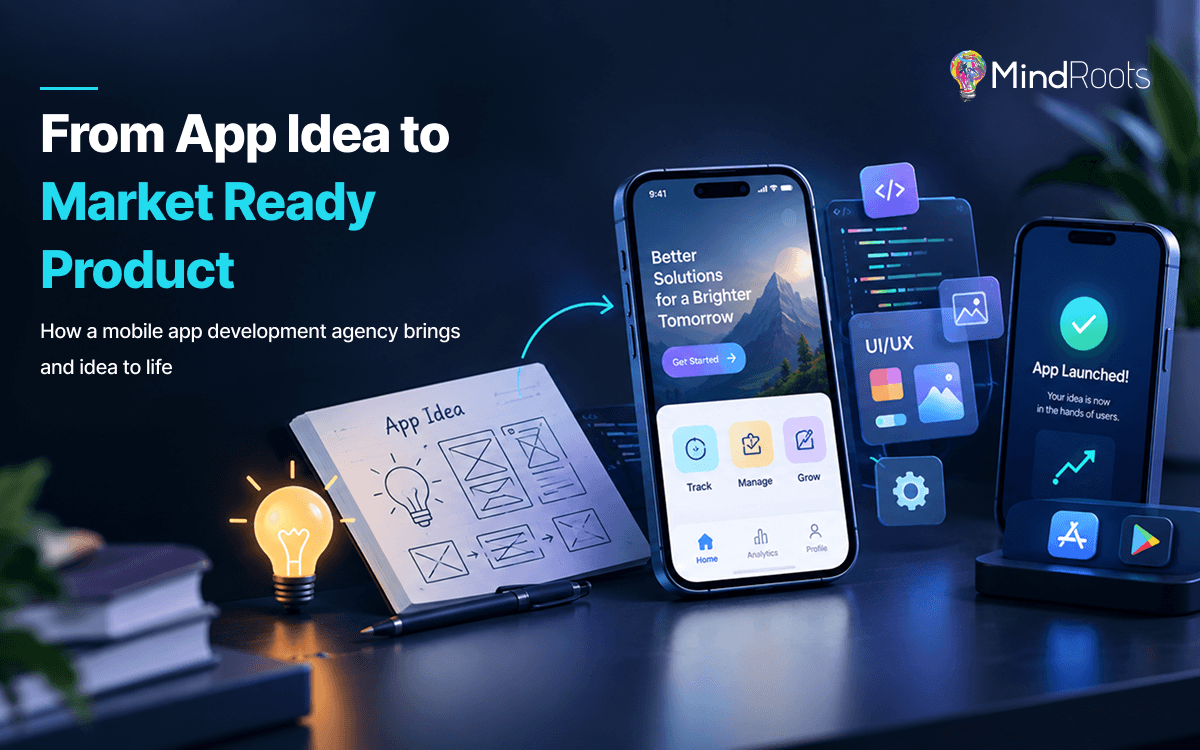
Turning an app idea into something that people will actually use involves several phases besides writing code. The process involves many decisions that determine whether an app succeeds or fails. Success depends on validating the concept, designing an interface, and building something that performs optimally.
That’s why a unified, experienced partner steps in to make the real difference. This is where an established mobile app development agency gives founders and growing businesses a repeatable, reliable path from initial concept to a truly market-ready product. It removes guesswork and helps develop the app strategically for real market use.
Why So Many Promising App Ideas Never Reach the Market
Most app ideas fail because of the strategy behind them. The failure shows up as gaps in execution between concept and launch. Identifying common breakdown points helps explain why a structured development process matters.
A few specific, recurring gaps often derail projects. This happens to the entire app idea time and again:
- Overlooking proper market validation completely
- Underestimating the real development challenges
- Lack of proper user experience irrespective of strong functionality
- Insufficient testing before the public launch
- Unclear plan for support post-launch
These gaps add up quickly once development is underway. That’s why so many companies now rely on a reliable mobile app development agency to catch issues sooner. This helps prevent mid-project errors that can become expensive and hard to fix later.
So, seeing how a truly structured approach addresses each of these gaps makes the value of professional guidance clear. This is extremely helpful for founders launching an app for the first time.
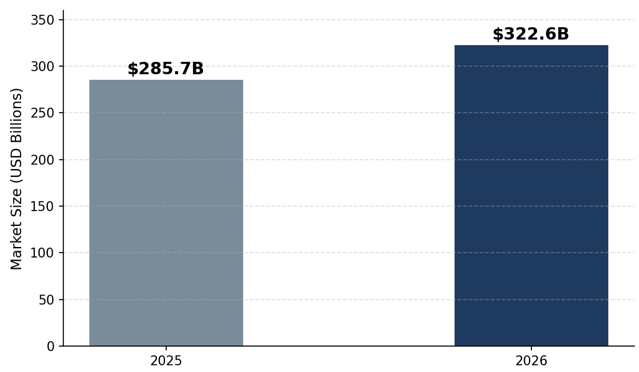
This long-term, scalable growth suggests well-executed, thoughtfully built apps can expand year over year. It’s even more so when competition for limited user attention remains steady.
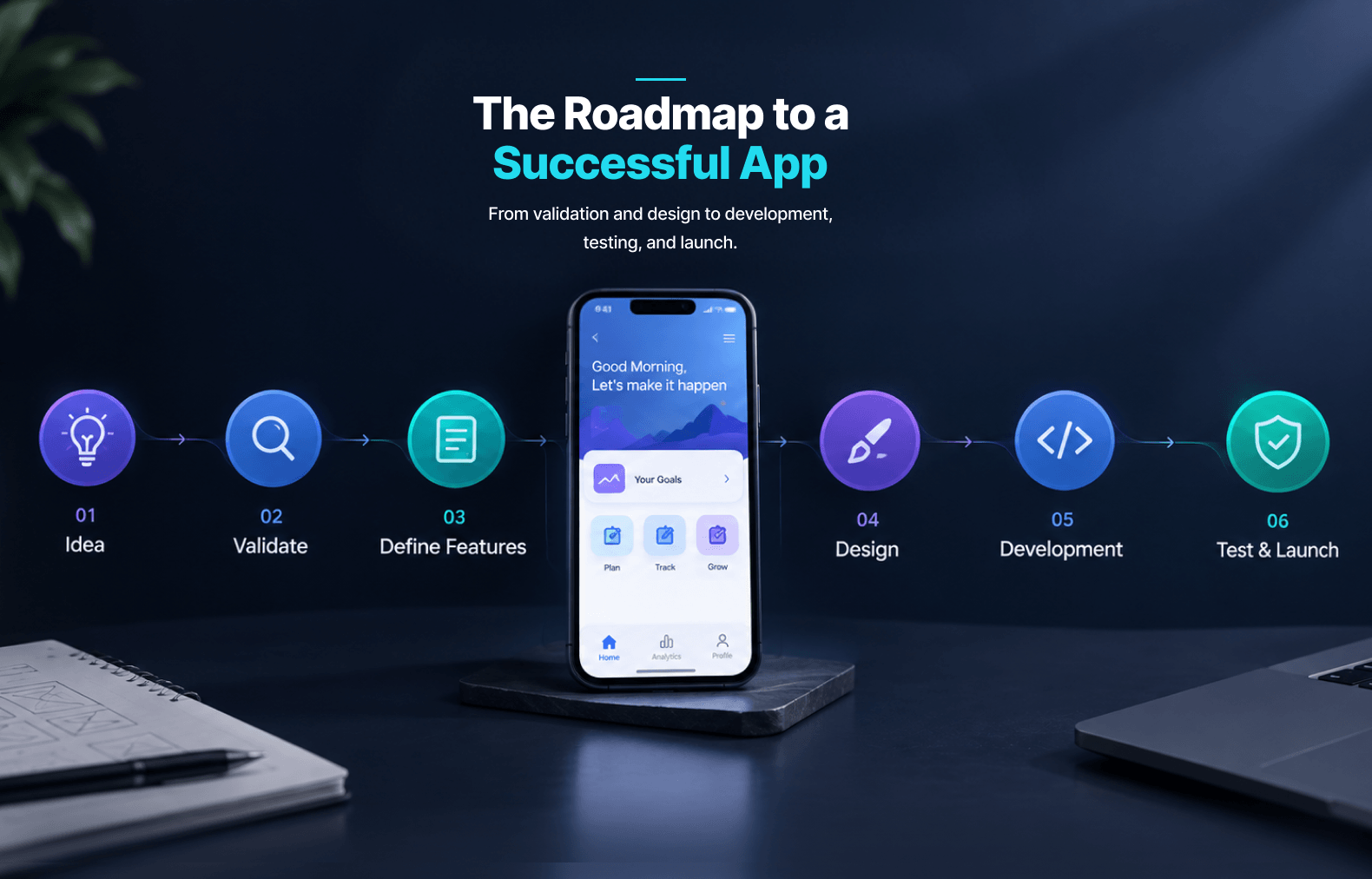
Benefits of Developing a Launch-Ready App With a Partner
We will now outline how a development team converts any raw idea into something real users will depend on regularly.
Below is a brief snapshot of what each development stage targets.
Stage
Primary Focus
Typical Output
Validating the Core Idea Before Building Anything
An expert mobile app development agency can validate the idea before writing any code by confirming that the final product solves real issues audiences face. This helps avoid unforeseen costs later on.
Validation typically involves:
- In-depth study of the market and competitors
- Recognizing the appropriate target audience
- Assessing the job to solve problems
- Preliminary technological viability evaluation
Skipping this step is a leading reason many promising app ideas never gain real traction after release. That is why choosing an app development agency matters for a faster launch. These professionals take the validation stage very seriously. They ultimately create a product that resonates with the audience and not one that vanishes.
Defining Clear Scope and Core Features
After validating the initial app concept, the team should define the exact requirements for the first version. Avoid loopholes that can cause delays or affect delivery timelines. A well-focused set of features from the first stage can help the app launch faster and perform optimally.
This definitive scope and features mainly include:
- Core function prioritization tasks
- Primary functionalities emphasizing tasks
- Choosing a platform on which the app is developed
- Extensive data compiled to meet every technical requirement
- A roughly estimated timeline that’s achievable
A well-defined scope helps ensure the app is developed on time. This helps in making the outcome launch-ready. This mainly depends on whether you choose a cross-platform or native app, as that choice determines what the roadmap includes.
Designing an Intuitive User App Experience
Strong functionality matters little if users find the app interface confusing to navigate. Strategic, expert-led UX and interface design is usually defined before development begins. This will help shape how the overall app will feel, either challenging or easy to use.
Exact UX design work includes:
- Wireframing across every single user flow
- Clickable, interactive creation of app prototypes
- Visual designs and accurate branding alignments
- Testing of usability and real user feedback
Getting this phase right is critical. This can significantly reduce the need for expensive, time-consuming redesigns after development is already underway.
Building a Scalable App Architecture
An app’s technical features can determine whether it can handle growth without a complete rebuild. Making scalable architecture decisions early can save time and prevent major costs as usage grows.
Core development decisions include:
- Planning for backend infrastructure done sooner
- Careful decisions related to database structure
- 3rd party integration that involves accurate mapping
- Security implementations from the beginning
Most companies today pair mobile development with cloud infrastructure solutions. Scalable hosting directly affects how well an app performs as demand grows.
Extensive App Testing Before Public Launch
Thorough testing often catches issues before real users encounter them. Testing covers almost everything, from functionality to performance. Skipping this extensive testing creates a negative first impression that’s hard to recover from.
Testing typically covers:
- Comprehensive testing of functions and usability
- Testing done under real, everyday conditions
- Extensive cross-device compatibility checks
- Testing for security risks and assessments
Detecting the issues right before launch can protect both user trust and the app’s critical reviews. Both matter significantly for ensuring long-term success. In practice, the most common issue at this stage is a major bug. It’s mainly an onboarding flow that works well in testing but often confuses first-time users once real usage patterns begin.
Managing App Store Submission and Public Launch
Getting approval for an app and its listing often involves meeting specific requirements from both Apple and Google. Poorly handled submissions can delay launch. Experienced teams know how to avoid common triggers that lead to rejection.
Launch preparation includes:
- Detailed app store listing and optimization
- Strict compliance with the platform’s guidelines
- Well-coordinated marketing and timing of app launch
- Implementing analytics tracking from the initial day
Most often, submissions get rejected for incomplete privacy disclosures or unclear in-app purchase descriptions rather than for real functionality errors. This is why reviewing the core details right before submission can save considerable rework.
This same focus on core details goes far beyond other digital products. This is why businesses can explore other development services and work with the same team that can handle their mobile launch.
Supporting the App Well After Launch
Work doesn’t stop once the app is launched. Ongoing updates, bug fixes, and feature improvements can help determine whether an app remains relevant to its users. After an app launch, expert support continues.
Ongoing support typically includes:
- Regular proactive updates along with quick bug fixes
- Consistent performance monitoring over time
- Real incorporation of user feedback
- Feature expansion that relies on real usage data
Businesses that plan from this stage, rather than treating launch as the finish line, can achieve steadier long-term outcomes from their overall app investment.
Mind Roots Brings Real Structure to Every Stage of App Development
Turning your app idea into a launch-ready product takes more than technical skill. It takes a team that can move strategically from concept to launch without losing sight of the original goal. At Mind Roots, we bring that right structure into our product-first approach to every mobile app project we deliver.
Working with us for your mobile app development project mainly implies that you gain several benefits from:
- A team of dedicated, experienced developers, designers and QA specialists
- A thoroughly proven structured methodology of mobile app development
- Real user experience across iOS, Android, and other cross-platform development
- Real, consistent expert support even after the initial app launch
Contact us today to discuss your app idea with our in-house experts and gain a clear idea of the possibility, timeline, and next steps involved!
Turning a Genuinely Good App Idea Into a Successful Product
Building a successful app takes far more than a good idea and a capable development team; it takes a structured process that accounts for validation, design, scalability, and everything that happens after launch day.
Businesses that treat app development as an ongoing investment, rather than a single project with a fixed end date, tend to see better long-term outcomes.
Frequently asked questions
1. How long does it typically take to build and launch a market-ready app fully?
Timelines vary significantly based on complexity, though a well-scoped first version often takes somewhere between three and six months from initial planning through to public launch.
2. Should I build for iOS, for Android, or both platforms at once?
This depends heavily on your target audience and budget, and many businesses start on one platform before expanding to the other based on early user results and demand.
3. What happens if my app needs significant changes after its launch?
Ongoing updates are normal, which is why choosing a development team that offers continued post-launch support matters so much in the long run.